











Poultry Tech & Trends for 2026: What Asia Should Watch

Asian poultry producers face a pivotal decision in 2026: adopt next-generation technologies already validated in Western markets, or fall behind on efficiency and welfare standards. While there are Asian producers that have adopted early to these technologies, it is still far behind the take-up rate compared to counterparts in Europe and the US.
The three most impactful technologies for Asian operations are multimodal AI welfare monitoring, autonomous inspection systems, and deep learning disease detection. These innovations directly address Asia's most pressing challenges: labour shortages, disease outbreaks, and rising operational costs. Combined with emerging welfare technologies like in-ovo sexing and strategic biosecurity planning around potential vaccination programs, Asian integrators have a clear pathway to attain incremental improvements and compete globally.
Market Context: Growth Amid Pressure
The global poultry industry continues its expansion trajectory. The market grew from $373.33 billion in 2024 to $394.75 billion in 2025, representing 5.7% growth driven by strong demand in emerging markets and increased protein consumption. Asia Pacific holds the largest regional share at 36.3% of the global market.
Yet this growth comes with intensifying operational pressures unique to Asian markets:
Energy volatility affects climate control costs in tropical and subtropical regions where temperature management is critical for bird performance.
Labor constraints continue tightening across Southeast Asia and parts of East Asia, making manual monitoring and inspection increasingly difficult to scale.
Disease risk remains elevated, with avian influenza outbreaks causing significant economic losses across the region in recent years.
Supply chain disruptions from weather events, trade dynamics, and biosecurity restrictions create additional uncertainty.
The innovations emerging from European and American operations offer proven solutions to these exact challenges. Rather than developing technologies from scratch, Asian integrators can adopt and adapt systems already demonstrating ROI in similar high-density operations.
Big Dutchman Asia works with integrators across the region to evaluate and implement these technologies within local operational contexts. Understanding which innovations deliver the highest impact helps producers prioritize investments strategically.
Five Technology Vectors Reshaping Poultry Production
1. Multimodal AI Systems & Advanced Sensing
Traditional single-sensor monitoring creates false alarms and misses early warning signs, particularly in hot, humid environments where multiple stress factors overlap. The next generation of farm intelligence combines multiple data streams into unified welfare assessments.
The Innovation: Research teams have developed multimodal AI models that fuse visual imaging, acoustic analysis, and environmental sensor data to detect stress, disease, or behavioural changes earlier than conventional systems. These models analyze bird vocalizations, movement patterns, and climate conditions simultaneously to provide comprehensive welfare insights.
Why It Matters for Asia: In tropical houses where temperature, humidity, and ventilation signals constantly interact, multimodal systems reduce false positives while catching genuine welfare issues earlier. This means fewer emergency interventions and better flock performance.
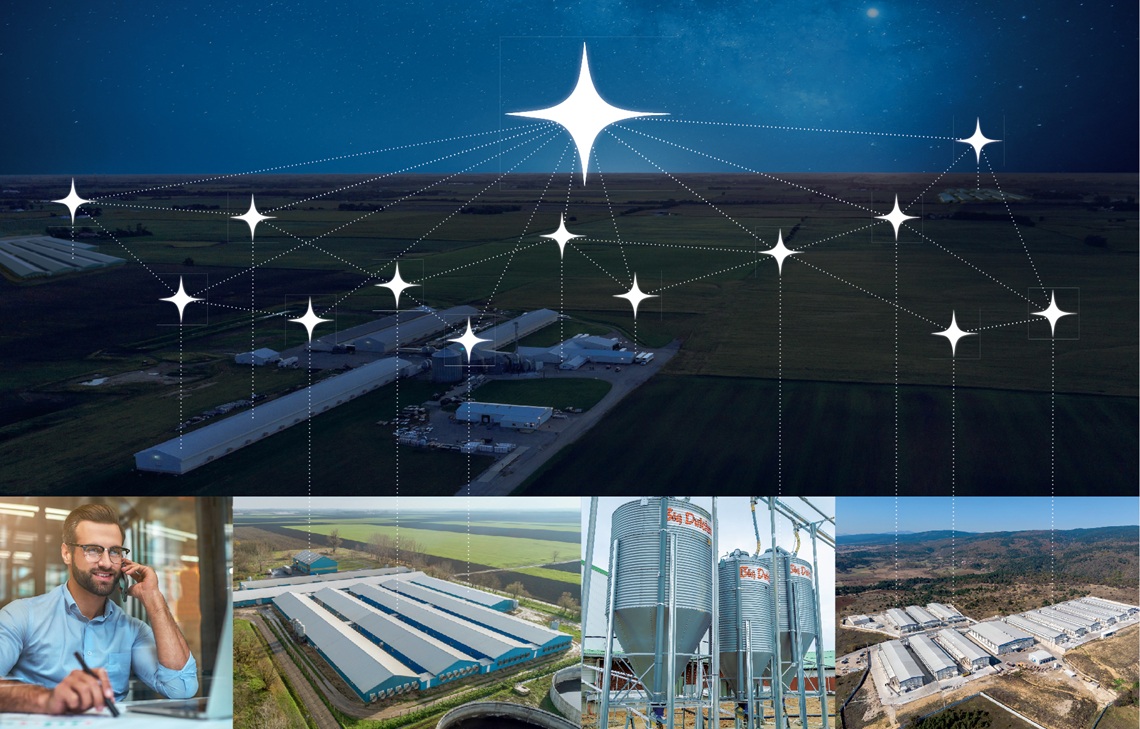
Implementation Considerations: These systems integrate with existing house management platforms, making adoption feasible without complete infrastructure replacement. Producers using centralized farm management systems like Big Dutchman's BFN Fusion platform already have the data infrastructure foundation needed for multimodal AI integration, as these systems collect and aggregate environmental, production, and equipment data across multiple houses in real time.
2. Autonomous Inspection & Robotics
Labor availability for routine house inspections continues declining across Asia, particularly for night shifts and repetitive tasks. Autonomous systems offer a solution that improves consistency while reducing labour dependency.
The Innovation: Autonomous robots equipped with combined laser and vision sensors can navigate poultry houses independently, performing equipment checks, bird condition monitoring, environmental surveys, and even cage cleaning. Recent developments have significantly improved navigation accuracy even in dusty, low-light conditions.
Why It Matters for Asia: Large integrators operating multiple houses can deploy robots for systematic night checks, equipment inspections, and welfare scans. This is particularly valuable where skilled labour is scarce or expensive.
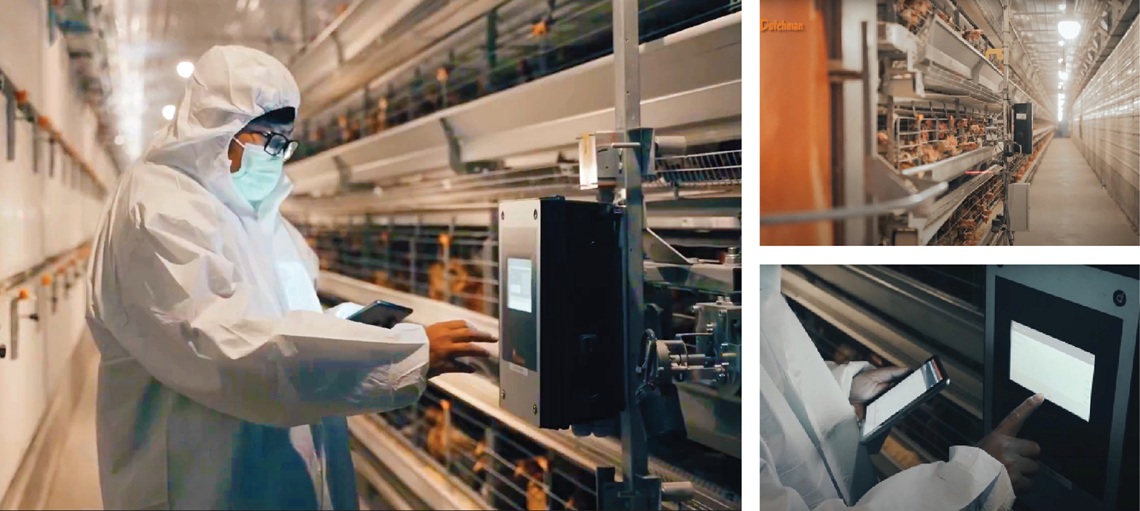
Implementation Considerations: Robot systems work best in houses with clear floor space and standardized layouts. Big Dutchman innovations such as Sharky 430 and Vitality Monitoring System (VIM), is a big step towards high level automation. Producers planning new facilities or major renovations can design robot-friendly infrastructure, while existing operations may need to evaluate space modifications for optimal robot navigation.
3. Deep Learning for Disease Detection
Early disease detection directly impacts mortality rates, treatment costs, and biosecurity response effectiveness. Visual AI systems now match or exceed human accuracy in identifying early disease indicators.
The Innovation: Advanced deep learning models, including YOLOv8 architectures, can analyze video feeds or images to detect subtle signs of illness, behavioural changes, or mobility issues before clinical symptoms become obvious. These systems learn from thousands of annotated images to recognize patterns invisible to human observation.
Why It Matters for Asia: In regions experiencing recurring avian influenza threats or dealing with endemic diseases like Newcastle disease, automated early detection reduces losses and improves response timing. Integration with camera systems already present in many modern houses makes this technology particularly accessible.
Implementation Considerations: This technology requires quality imaging infrastructure and sufficient processing power, but the barrier to entry is lower than many other innovations. The ROI comes primarily from reduced mortality and treatment costs, making it attractive for operations of various scales.
4. Welfare-Driven Hatching Innovations
Europe is driving rapid adoption of technologies that eliminate male chick culling and reduce transport stress, with implications for Asian producers serving export markets or responding to changing consumer expectations.
In-Ovo Sexing: European adoption of in-ovo sexing technology has accelerated dramatically, growing from 2% market penetration to nearly 30% in just three years. As of early 2024, approximately 20% of the EU's 389 million layer hens were hatched using in-ovo sexing, representing about 78 million birds. Technologies from companies like Orbem and Respeggt allow hatcheries to identify male embryos before hatching, eliminating the culling of approximately 6.5 billion male chicks annually worldwide.
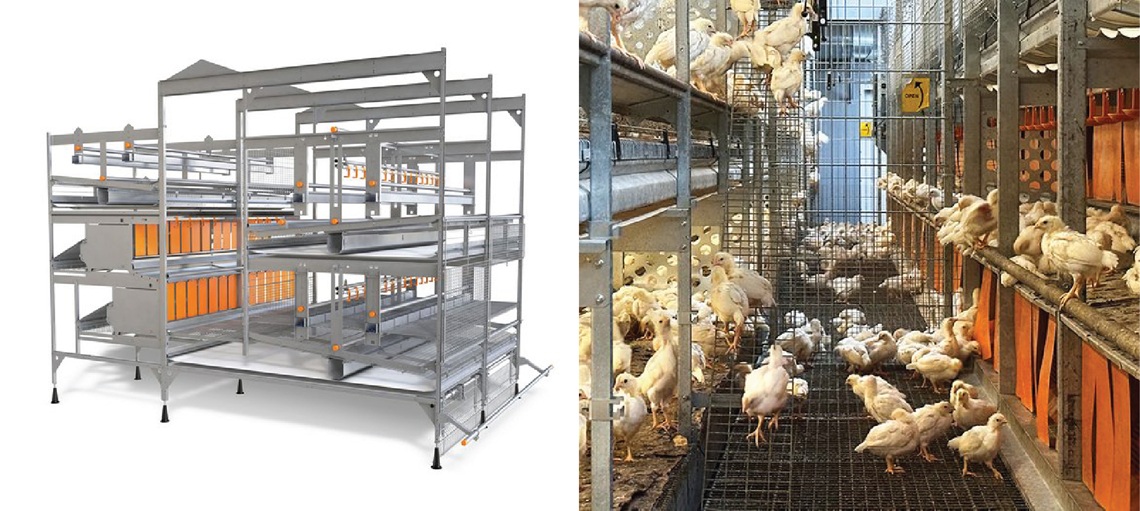
On-Farm Hatching: Systems that allow eggs to complete incubation directly at production facilities, such as NATURA Life, reduce handling stress and transport-related mortality. Birds hatched on-farm show improved early development and reduced first-week mortality compared to transported chicks.
Why It Matters for Asia: As welfare standards evolve globally, Asian producers serving export markets or premium domestic segments will face increasing pressure to adopt these technologies. Early adopters gain market positioning advantages and differentiation in competitive segments.
Implementation Considerations: In-ovo sexing requires hatchery integration and capital investment, though costs have declined from approximately €4.00 per bird in 2022 to €3.10 in 2024. On-farm hatching systems require facility modifications but can be evaluated for new construction or expansion projects.
5. Biosecurity Evolution & Vaccination Preparedness
After years of devastating avian influenza outbreaks, regulatory approaches to biosecurity and vaccination are shifting in major markets, with significant implications for Asian producers.
The Policy Shift: The US Department of Agriculture has developed detailed plans to potentially vaccinate poultry flocks against bird flu, marking a significant departure from previous depopulation-only strategies. The USDA conditionally approved an avian flu vaccine in February 2025 and allocated $100 million for vaccine research and development. The agency completed 948 biosecurity assessments on US farms in the first half of 2025 as part of its comprehensive strategy.
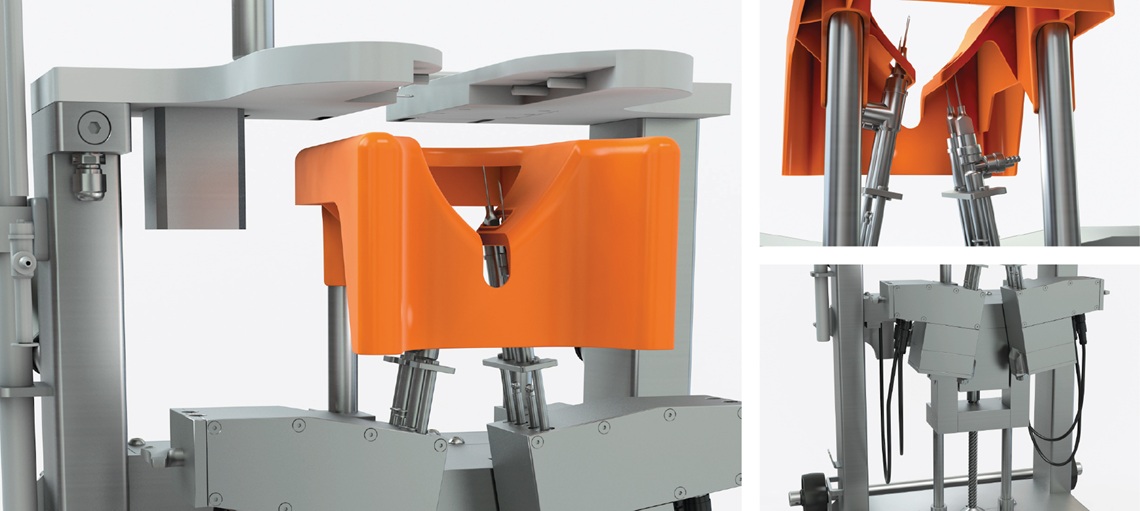
Why It Matters for Asia: As global markets potentially normalize vaccination for poultry, Asian integrators need to prepare infrastructure and protocols to accommodate vaccinated flocks. This includes cold chain logistics, record-keeping systems, and enhanced vaccination equipment such as the Multivac. Understanding these developments helps producers stay ahead of market access requirements.
Implementation Considerations: Even if vaccination becomes available, maintaining enhanced biosecurity remains critical. Vaccinated flocks testing positive may still face culling requirements to maintain trade relationships. The focus should be on comprehensive biosecurity infrastructure that can adapt to evolving protocols, whether vaccination-based or traditional.
Looking Forward
2026 represents an inflection point where intelligent automation, advanced welfare analytics, and data-driven biosecurity shift from experimental to operational standards. Asian producers face a strategic choice: adopt proven innovations now, or risk falling behind competitors who do.
The opportunity lies not in wholesale technology adoption, but in selective implementation of systems that address specific operational pain points. Energy costs, labour availability, disease management, and welfare standards vary significantly across Asian markets, making customized technology strategies essential.
What remains constant is the direction of travel. Global poultry production is moving toward more automated, more data-driven, and more welfare-conscious systems. The question for Asian integrators is not whether to adapt, but which innovations to prioritize and when.
Big Dutchman Asia specializes in helping producers navigate these decisions, bringing global innovation expertise together with deep understanding of regional operational realities. Our approach focuses on practical implementation that delivers measurable results within the specific contexts of Asian poultry production.
References
- Research and Markets (2024). Poultry Global Market Report 2025.
https://www.researchandmarkets.com/report/poultry - Market Data Forecast (2024). Global Poultry Market Size, Share, Growth & Trends.
https://www.marketdataforecast.com/market-reports/poultry-market - Zhang, Y., et al. (2025). Multimodal AI Systems for Enhanced Laying Hen Welfare Assessment and Productivity Optimization. https://arxiv.org/abs/2508.07628
- Lu, J., et al. (2025). The Composite Visual-Laser Navigation Method Applied in Indoor Poultry Farming Environments. https://arxiv.org/abs/2504.08431
- Hoxha, A., et al. (2025). YOLOv8-Based Deep Learning Model for Automated Poultry Disease Detection and Health Monitoring. https://arxiv.org/abs/2508.04658
- Innovate Animal Ag (2024). In-Ovo Sexing: Market Penetration and Forecast.
https://innovateanimalag.org/market-penetration-forecast - Poultry World (2024). In-ovo sexing in the poultry sector gains traction.
https://www.poultryworld.net/the-industrymarkets/market-trends-analysis-the-industrymarkets-2/in-ovo-sexing-in-the-poultry-sector-gains-traction/ - British Hen Welfare Trust (2025). In-ovo sexing gains momentum.
https://www.bhwt.org.uk/blog/news/in-ovo-sexing-gains-momentum/ - Reuters (2025). USDA Develops Potential Plan to Vaccinate Poultry for Bird Flu.
https://www.usnews.com/news/top-news/articles/2025-06-20/exclusive-usda-develops-potential-plan-to-vaccinate-poultry-for-bird-flu - USDA (2025). USDA Invests Up To $1 Billion to Combat Avian Flu and Reduce Egg Prices.
https://www.usda.gov/about-usda/news/press-releases/2025/02/26/usda-invests-1-billion-combat-avian-flu-and-reduce-egg-prices - Science Magazine (2025). U.S. conditionally approves vaccine to protect poultry from avian flu.
https://www.science.org/content/article/u-s-conditionally-approves-vaccine-protect-poultry-avian-flu
Disclaimer:
This article is based on publicly available research and industry publications and is intended as a general guide for poultry producers. While every effort has been made to ensure accuracy, the information provided should not replace professional veterinary advice or site-specific consultations. Production outcomes may vary based on local conditions, management practices, bird genetics, and other factors.